
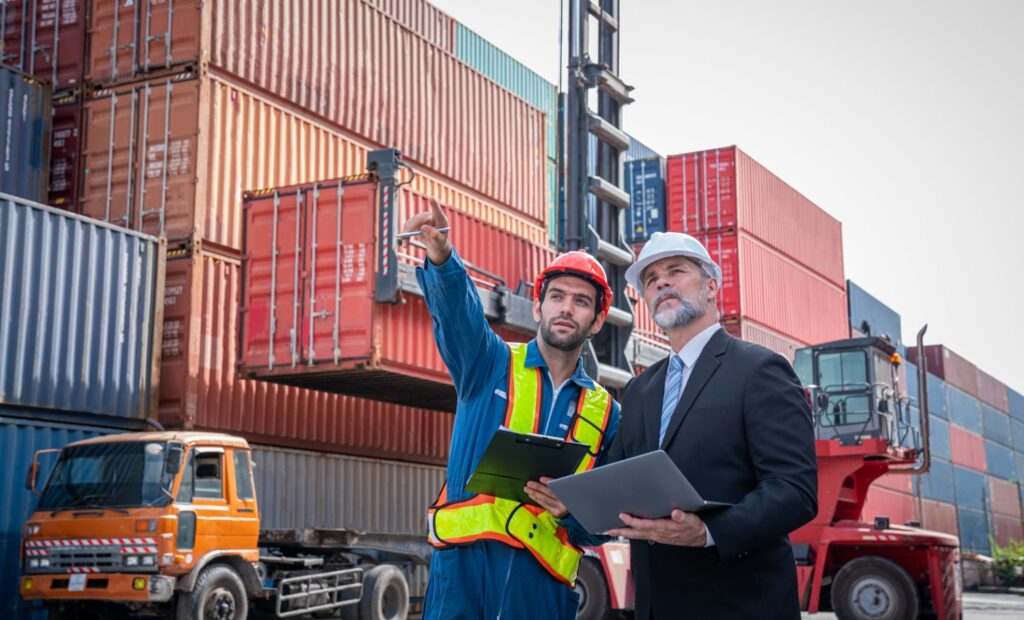
For many organizations, freight was once treated as a supporting activity activated only when goods needed to move. Today, that mindset no longer works. As supply chains grow more complex and customer expectations rise, freight decisions directly influence operational efficiency, cost control, and business continuity. This shift has led companies to rethink what they truly need from a logistics provider.
Rather than searching for transport capacity alone, businesses increasingly look for a Deliveree freight and logistics partner that can operate as part of their broader logistics strategy, not just a downstream service.
Freight as an Operational Variable, Not a Fixed Cost
Modern businesses rarely operate under stable demand conditions. Order volumes fluctuate, delivery points change, and timelines tighten. In this environment, freight is no longer a predictable fixed cost, it becomes an operational variable that must adapt quickly.
A Deliveree freight and logistics partner approach reflects this reality by focusing on responsiveness and scalability. Instead of locking businesses into rigid freight structures, logistics becomes something that can expand, contract, and reconfigure as operational needs evolve.
The Difference Between Transport Providers and Logistics Partners
Transportation providers typically focus on execution: moving cargo from origin to destination. While this function is essential, it does not address coordination challenges that arise across supply chains.
By contrast, a Deliveree freight and logistics partner model emphasizes alignment with business workflows. This includes understanding shipment urgency, coordinating multiple delivery points, and maintaining service consistency even as conditions change. The distinction lies in context: partners operate with awareness of why freight matters, not just where it needs to go.
Visibility as the Foundation of Freight Control
One of the most common pain points in freight operations is lack of visibility. Without real-time insight into shipment status, teams are forced to react after problems occur rather than preventing them.
Businesses that work with a Deliveree freight and logistics partner typically prioritize transparency. Visibility enables:
- Proactive issue management
- Better coordination across teams
- Accurate delivery expectations
- Reduced reliance on manual follow-ups
When freight data is accessible and timely, logistics becomes manageable instead of disruptive.
Managing Complexity Without Adding Overhead
As businesses expand geographically or diversify product lines, freight complexity increases rapidly. Managing multiple routes, vehicle types, and delivery schedules can overwhelm internal teams if handled manually.
A Deliveree freight and logistics partner helps absorb this complexity by providing systems and processes that scale with demand. This allows organizations to grow without building heavy logistics infrastructure internally, keeping operations lean while maintaining control.
Flexibility as a Risk Mitigation Tool
In freight operations, rigidity often amplifies risk. Fixed routes, limited capacity, and inflexible schedules make it difficult to respond to disruptions such as demand spikes, delays, or last-minute changes.
Flexibility, one of the key attributes businesses associate with a Deliveree freight and logistics partner, acts as a form of risk mitigation. The ability to adjust capacity and routing dynamically reduces exposure to operational shocks and helps maintain service continuity.
Freight Decisions and Their Impact on Business Performance
Freight performance does not exist in isolation. Delays affect inventory availability, missed deliveries impact customer trust, and inefficiencies increase operational costs. Over time, these issues influence overall business performance.
By treating freight as a strategic function and aligning with a Deliveree freight and logistics partner, organizations position logistics as an enabler rather than a constraint. This alignment supports smoother operations and more predictable outcomes.
Collaboration Across the Supply Chain
Effective freight management requires collaboration between logistics teams, warehouse staff, procurement, and customer-facing departments. When freight operations lack integration, information silos emerge, slowing decision-making.
A Deliveree freight and logistics partner approach supports cross-functional collaboration by centralizing freight coordination and providing shared visibility. This reduces miscommunication and ensures that logistics decisions reflect operational priorities.
Freight as a Platform for Scalable Growth
Businesses aiming for sustainable growth need logistics systems that can scale without friction. Freight operations that rely on ad hoc solutions often struggle as volume increases.
Working with a Deliveree freight and logistics partner enables companies to scale freight operations in line with growth objectives supporting expansion without introducing unnecessary complexity or risk.
Rethinking Freight for Long-Term Resilience
As markets become more volatile, resilience becomes a competitive advantage. Logistics strategies that rely solely on transactional freight services often fail under pressure. A partner-based approach, by contrast, emphasizes adaptability, visibility, and alignment.
This is why many organizations now evaluate freight not just on cost or speed, but on whether their Deliveree freight and logistics partner can support long-term operational resilience in an unpredictable business environment.
Related Posts

MT5 and Mobile Money in the Philippines: Bridging Access to Global Markets
The convergence of MT5 and mobile money is revolutionizing access…

How to Automate Trading on MT5 with Expert Advisors (EAs) in Malaysia
The MT5 trading platform process has completely evolved due to…